


Tubular Motor vs Central Motor for Roller Shutters: Key Differences Explained
Roller shutters enhance security, insulation, privacy, and weather protection for homes, shops, and industrial buildings. Motorizing them with electric motors adds effortless remote or automated control. The two main types are tubular motors (inside the roller tube) and central motors (external, center-mounted gear motors, often for spring-assisted systems). This guide compares tubular motor vs central motor to help you choose the best option for your roller shutter needs.


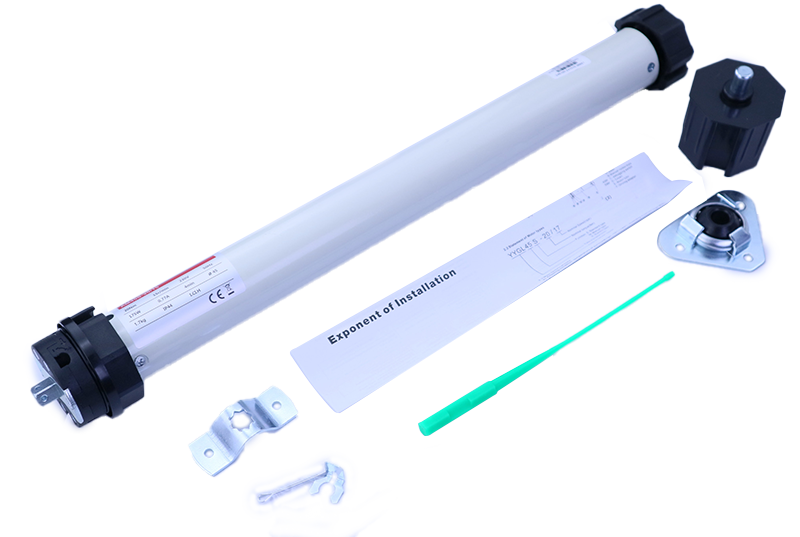
What is a Tubular Motor for Roller Shutters?
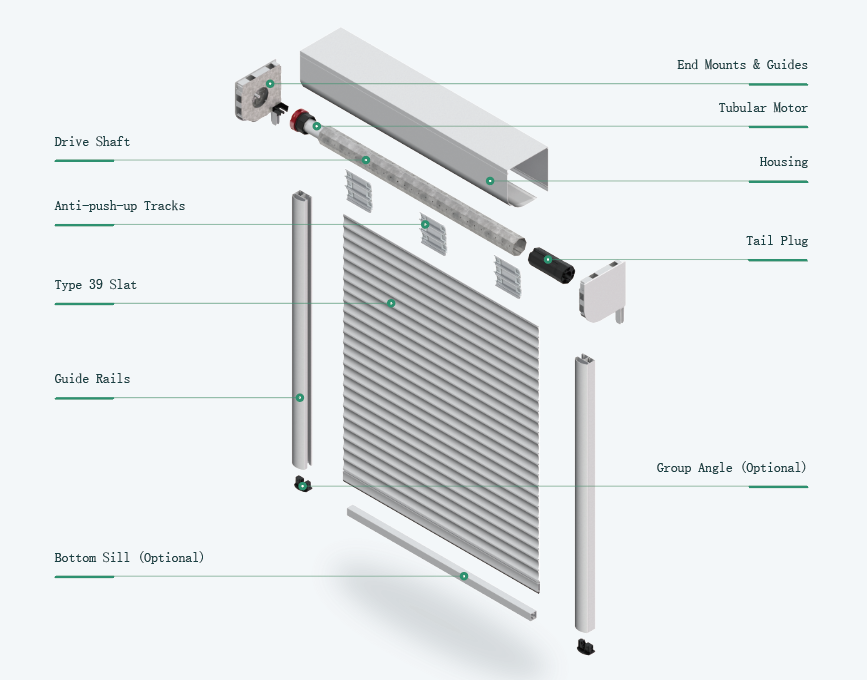
A tubular motor is a compact, cylindrical electric motor that fits directly inside the roller shutter tube (the octagonal barrel where the curtain winds). It rotates the tube to raise or lower the shutter seamlessly.
Tubular motors dominate modern residential and light commercial installations due to their hidden design and quiet performance.
Key features:
- Fully concealed for minimal visual impact.
- Torque ranges from 10–120 Nm, suitable for most standard shutters.
- Advanced options include obstacle detection, precise electronic limits, radio control, and smart home integration (e.g., Somfy or similar brands).
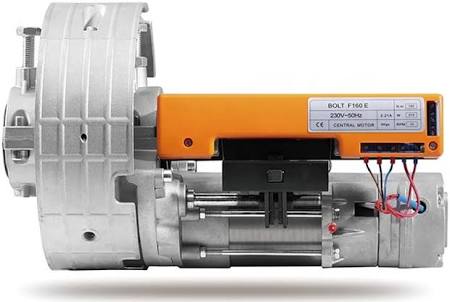
What is a Central Motor for Roller Shutters?
A central motor (also called in-line, side-mounted, or external gear motor) mounts externally in the center or side of the roller shaft. It drives the shaft via gears or chains and pairs commonly with spring-balanced shutters.
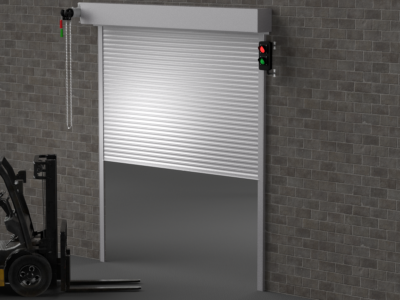
Central motors suit larger commercial, garage, or heavy-duty roller doors.
Key features:
- External mounting for easy access.
- Higher torque for heavy curtains (200–400+ kg).
- Often includes manual chain override and electromagnetic brakes.
Tubular Motor vs Central Motor: Detailed Comparison
| Aspect | Tubular Motor | Central Motor |
|---|---|---|
| Installation Location | Inside the roller tube (hidden) | External, center or side-mounted |
| Aesthetics | Clean, discreet – no visible motor | Bulkier, visible components |
| Noise Level | Very quiet (tube dampens sound) | Louder (external gears) |
| Applications | Residential windows, medium shutters | Commercial garages, heavy/large shutters |
| Lifting Capacity | Up to 150–200 kg | 200–400+ kg |
| Installation Ease | Ideal for new builds; retrofit possible | Easier on spring-assisted or older systems |
| Cost | Higher (premium features) | Generally more affordable |
| Maintenance | Access requires tube removal | Easier external servicing |
| Features | Smart integration, sensors, quiet operation | Manual override, robust for frequent use |
Advantages of Tubular Motors
- Superior aesthetics and space efficiency.
- Quieter operation, perfect for homes and offices.
- Modern smart features (app control, voice assistants).
- Reliable for daily use in lighter shutters.
Disadvantages: Higher cost; harder to service; limited for very heavy doors.
Advantages of Central Motors
- Powerful and cost-effective for large/heavy shutters.
- Simple manual operation during power outages.
- Durable in high-traffic commercial settings.
- Easier repairs and retrofits on traditional systems.
Disadvantages: Noisier; less aesthetic; fewer smart options in basic models.
Tubular Motor vs Central Motor: Which is Best for Your Roller Shutter?
- Choose a tubular motor → for residential roller shutters prioritizing quietness, modern looks, and smart automation.
- Choose a central motor → for commercial or heavy-duty applications needing maximum power and budget-friendly reliability.
Tubular motors have surged in popularity for new installations thanks to their compact design and advanced capabilities, while central motors excel in retrofits and industrial use.
Both types outperform manual operation in convenience and security. Always measure your shutter’s weight, size, and tube diameter, then consult a professional installer for the ideal match.