

Energy efficiency has become one of the most pressing priorities in the global construction and building automation sectors. Rising energy prices, stricter environmental regulations, and growing sustainability awareness are pushing building owners to rethink how energy is consumed and managed. Among the technologies gaining strong momentum, tubular drives are emerging as a practical and effective solution for reducing energy usage while improving indoor comfort.
From private residences to large commercial developments, automated shading and closure systems are increasingly viewed as a strategic investment rather than an optional upgrade.
Energy Efficiency and the Modern Building Challenge
Buildings account for a significant share of global energy consumption, with heating, cooling, and lighting responsible for most of the demand. Windows, although essential for natural light and aesthetics, remain one of the weakest points in a building’s thermal envelope.
Without intelligent control, excess solar radiation can overheat interiors in summer, while poor insulation leads to heat loss in winter. Automation technologies help solve this challenge by allowing buildings to react dynamically to environmental conditions instead of relying on manual operation.
The Role of Tubular Drive in Building Automation
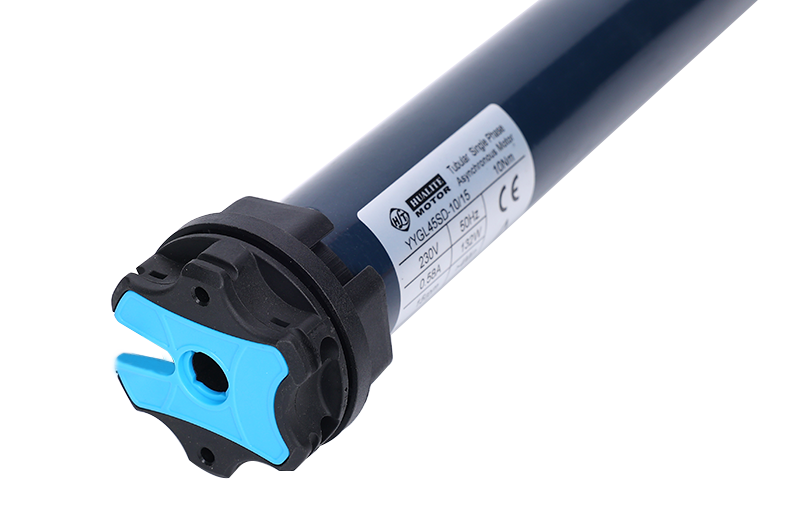
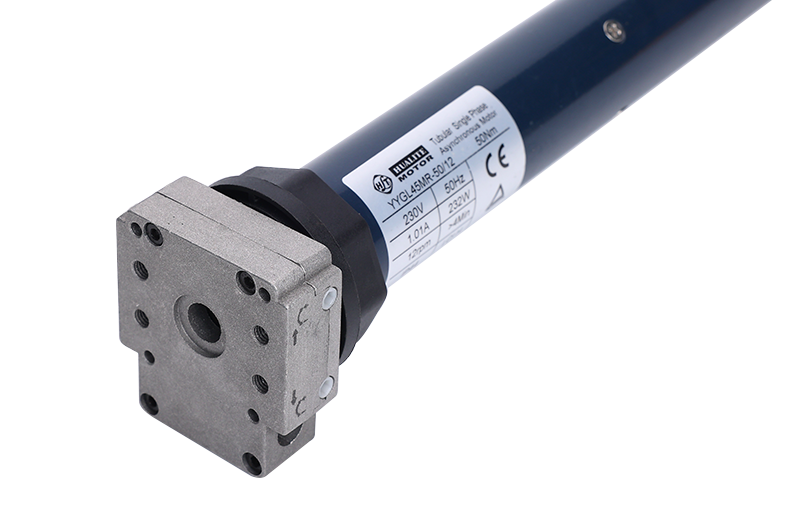
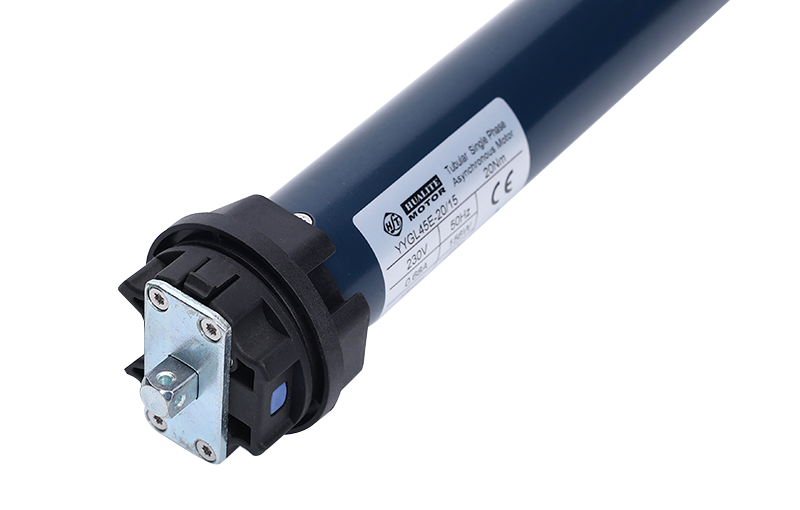
Tubular drives are compact motors installed inside roller tubes or shafts, commonly used in blinds, shutters, awnings, and screens. Their concealed design allows for clean aesthetics, quiet operation, and reliable performance.
Over the years, tubular drives have evolved from basic motorized components into intelligent elements of smart buildings. Today, they often work together with sensors, controllers, and building management systems to support energy-saving strategies.
In many systems, tubular motors provide the precise movement and torque needed to ensure smooth, controlled operation without unnecessary power consumption.
Intelligent Solar Control and Energy Savings
One of the most important contributions of tubular drives is intelligent solar management. Sunlight is a powerful energy source, but without control it can increase cooling loads dramatically.
Automated shading systems adjust positions throughout the day to:
- Reduce heat gain during peak sunlight hours
- Allow passive solar heating in colder seasons
- Optimize natural daylight and reduce artificial lighting
By responding automatically to changing conditions, buildings can significantly lower overall energy consumption.
Lower HVAC Demand Through Automated Shading
Heating and cooling systems are among the biggest energy consumers in buildings. Automated shading solutions powered by tubular drives help reduce this load by creating an additional thermal barrier at windows.
By minimizing heat transfer, these systems stabilize indoor temperatures and reduce the frequency and intensity of HVAC operation. Precise positioning ensures movement occurs only when necessary, preventing wasted energy and unnecessary motor activity.
Smart Connectivity and System Integration
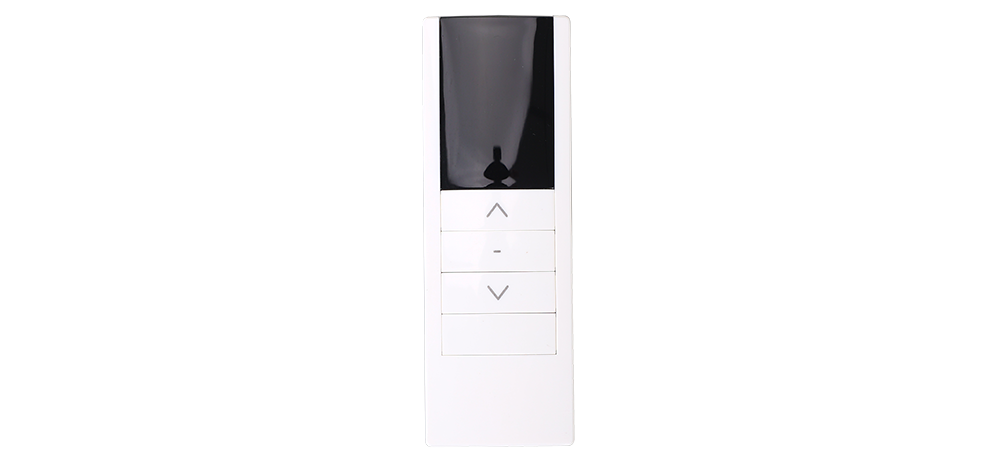
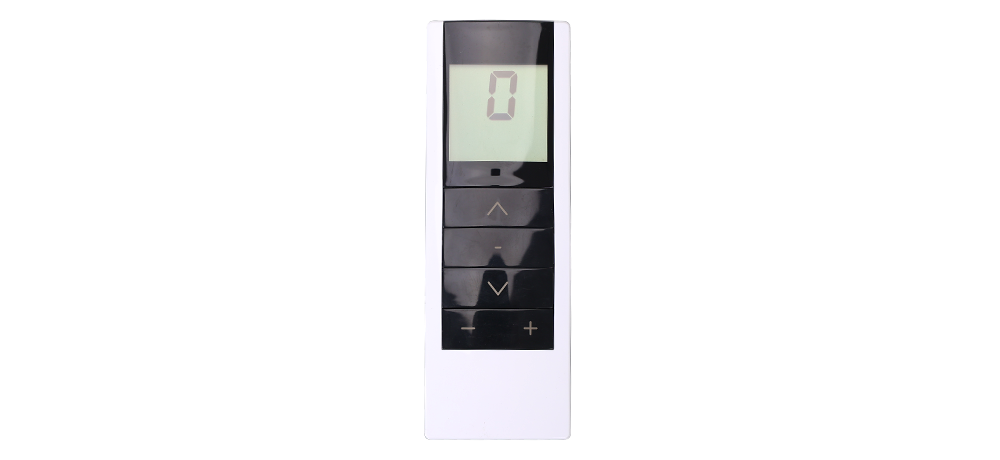
Modern tubular drives are designed to integrate seamlessly with smart home platforms and commercial building management systems. Connectivity through wired controls, WiFi, or Zigbee allows shading systems to respond in real time to temperature, sunlight, and weather conditions.
When linked with sensors and timers, automated drive solutions operate consistently—even when occupants are not present—ensuring energy efficiency is maintained around the clock.
Comfort, Efficiency, and Quiet Operation
Energy efficiency does not come at the cost of comfort. On the contrary, automated shading improves the indoor environment by maintaining stable temperatures and reducing glare.
Occupants benefit from:
- Improved thermal and visual comfort
- Quiet and smooth operation
- Enhanced privacy and security
- Reduced dependence on manual adjustments
These benefits make tubular drives especially suitable for offices, hotels, hospitals, and modern residential buildings.
Technological Progress Enhancing Efficiency
Recent innovations have further improved the performance of tubular drive systems. High-efficiency motor designs reduce power consumption, while ultra-low standby energy use helps meet increasingly strict energy regulations.
Electronic limit settings and intelligent control algorithms ensure accurate positioning and minimize wear. As a result, drive systems operate more efficiently and last longer, contributing to both energy savings and sustainability.
Supporting Renewable and Battery-Based Solutions
As renewable energy adoption increases, tubular drives are also being used in battery-powered and solar-driven applications. These solutions enable automated shading even in areas without stable grid access.
Low-voltage tubular motors are particularly well suited for such systems, ensuring reliable operation while maximizing the use of clean energy sources.
Applications Across Multiple Sectors
In residential buildings, tubular drive solutions help homeowners reduce energy bills while improving comfort and convenience. In commercial environments, they support sustainability goals and lower operating costs. Public and industrial buildings rely on automated shading to manage large façades efficiently and comply with energy regulations.
Across all sectors, tubular drives provide flexibility, reliability, and measurable energy benefits.
Regulations Driving Market Growth
Stricter building energy codes and sustainability standards are accelerating the adoption of automation technologies. Regulations increasingly favor solutions that actively reduce energy waste and improve thermal performance.
As a result, demand for tubular drives continues to grow, encouraging manufacturers to invest in smarter, more efficient designs.
The Future of Energy-Efficient Buildings
Looking ahead, predictive control and artificial intelligence will further optimize how automated shading systems operate. By analyzing weather forecasts and usage patterns, buildings will be able to adjust shading in advance rather than reacting after energy is already wasted.
Supported by advanced tubular motors, tubular drives will remain a key technology in next-generation smart and energy-efficient buildings.
Conclusion
As energy efficiency becomes a defining factor in modern construction, tubular drives are proving to be a reliable and effective solution. By intelligently managing sunlight, heat, and insulation, they help buildings reduce energy consumption while enhancing comfort and sustainability.
With continued innovation and expanding adoption, tubular drives are set to play an increasingly important role in shaping a smarter, greener built environment.