

Choosing the right roller blinds motor torque is one of the most important steps when selecting a motorized shading system. If the torque is too low, the blind may struggle to lift, stop inaccurately, or wear out the motor faster. If the torque is too high, you may increase cost unnecessarily and use a motor that is larger than the application really needs.
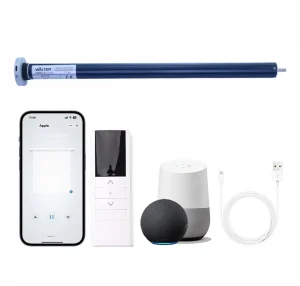
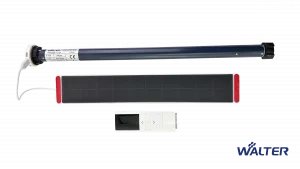
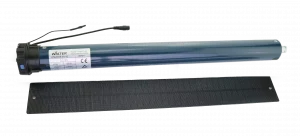
So, how much torque for roller shades is enough? The answer depends on the size of the blind, the weight of the fabric, the tube diameter, and how frequently the blind is used. In this guide, we explain how to choose the correct motor torque for roller blinds in a simple and practical way.
What Does Motor Torque Mean for Roller Blinds?
Torque is the turning force produced by the motor, usually measured in Nm (Newton-meters). In a roller blind system, torque determines how much lifting power the motor has to raise and lower the fabric smoothly.
For example:
- A small interior roller blind may only require 1.1Nm
- A medium blind may need 3–6Nm
- A large or heavy blind may require 10Nm or more
When people search for roller blinds motor torque, they usually want to know how much power is needed to operate a specific blind safely and reliably.
How Much Torque for Roller Shades?
There is no single answer for every project, but as a general guideline:
| Blind Size / Application | Recommended Torque | Typical Motor Option | Suggest Loading | Max. Loading |
|---|---|---|---|---|
| Normal Roller shades | 1.1Nm | 25mm motor | < 4.5Kg OD 38mm tube | 5.5Kg OD 38mm tube |
| Medium roller blinds | 3Nm | 35mm motor | <12kg OD 40mm tube | <15kg OD 40mm tube |
| Large roller blinds | 6Nm | 35mm motor | <19kg OD 50mm tube | <24kg OD 50mm tube |
| Heavy duty roller blinds | 10Nm+ | 45mm motor |
This is a practical starting point for answering the question how much torque for roller shades. However, final motor selection should also consider fabric weight, roller tube size, and installation conditions.
4 Key Factors That Affect Roller Blinds Motor Torque
1. Blind Width and Height
The larger the blind, the heavier the fabric roll becomes. A wide or tall blind needs more lifting force, especially when the fabric is fully rolled up.
- Small windows usually need lower torque
- Large windows and oversized shades need higher torque
- Double-height or commercial blinds often require stronger motors
2. Fabric Weight
Different fabrics have very different weights.
- Light sunscreen fabrics need less torque
- Blackout fabrics need more torque
- Multi-layer or decorative fabrics may also increase load
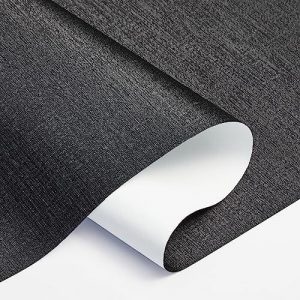
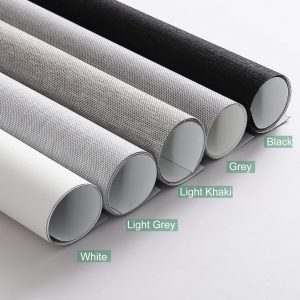
Common Fabric Weight Ranges in the Market
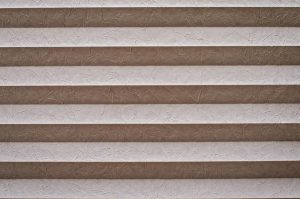
| Fabric Type | Typical Weight (g/m²) | Characteristics | Application |
|---|---|---|---|
| Zebra Blinds Fabric | 120 – 180 | Lightweight, soft | Residential windows |
| Dim-out / Decorative | 200 – 300 | Medium density | Living rooms |
| Sunscreen Fabric | 350 – 500 | PVC/Fiberglass, durable | Offices, commercial |
| Blackout Fabric | 330 – 440 | Coated, no light transmission | Bedrooms, hotels |
| Heavy-Duty Fabric | 450 – 600+ | Thick, industrial grade | Outdoor shading |
A heavier fabric means the motor must work harder, so choosing the right roller blinds motor torque is essential for long-term reliability.
3. Tube Diameter
The roller tube affects torque demand. A larger tube diameter changes the leverage and can influence how much torque is needed to rotate the system properly.
In many cases:
- Small blinds use smaller tubes and compact motors
- Larger blinds use bigger tubes and require more torque
4. Frequency of Use
If the blind is used many times a day, such as in offices, hotels, smart homes, or commercial spaces, it is better to choose a motor with a reasonable performance margin rather than selecting the absolute minimum torque.
This helps improve:
- operating stability
- motor lifespan
- lifting consistency
- user experience
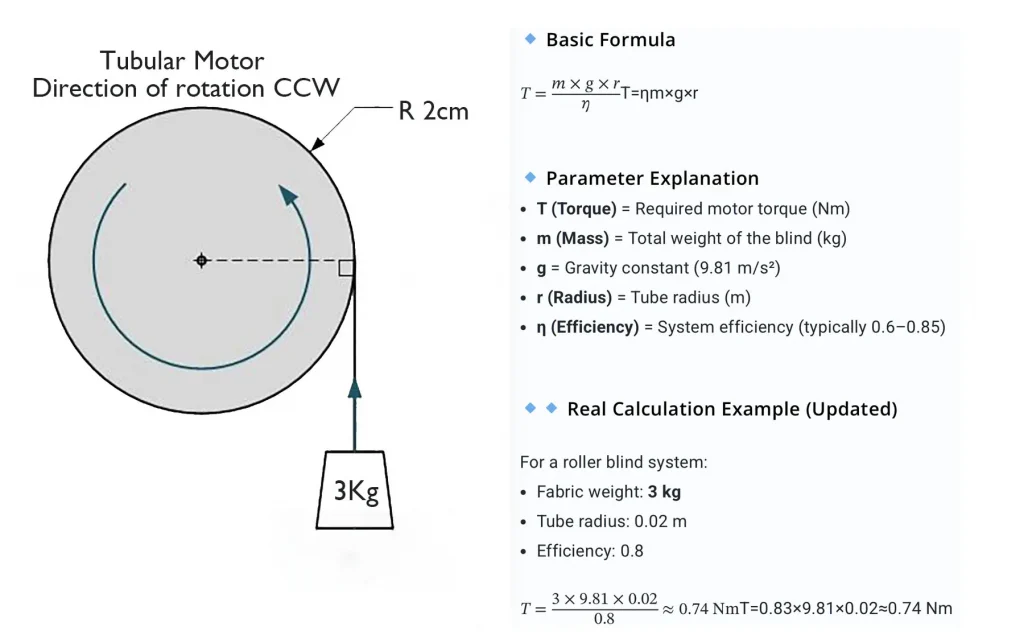
How to Calculate Tubular Motor Torque (Engineering Method)
Selecting the correct tubular motor torque requires more than a simple estimation. In engineering applications, torque must be calculated based on physical load, system efficiency, and safety factors.
🔹 Basic Formula
T=ηm×g×r
🔹 Parameter Explanation
- T (Torque) = Required motor torque (Nm)
- m (Mass) = Total weight of the blind (kg)
- g = Gravity constant (9.81 m/s²)
- r (Radius) = Tube radius (m)
- η (Efficiency) = System efficiency (typically 0.6–0.85)
🔹🔹 Real Calculation Example (Updated)
For a roller blind system:
- Fabric weight: 3 kg
- Tube radius: 0.02 m
- Efficiency: 0.8
T=0.83×9.81×0.02≈0.74 Nm
👉 Theoretical torque: 0.74 Nm
⚠️ Why Theoretical Torque Is Not Enough
In real-world installations, additional factors significantly increase the required torque:
Starting inertia and long-term wear
Friction from brackets and bearings
Fabric misalignment or uneven rolling
Wind load (especially for outdoor blinds)
🔥 Recommended Safety Factor
Recommended Torque = Theoretical Torque / 0.80
👉 Since the torque here refers to the final output torque after gear reduction, and system efficiency has already been included in the calculation, no additional factor such as /0.80 is applied in this formula.
✅ Final Motor Selection
👉 Recommended motor:
0.8Nm or 1.1 Nm tubular motor (25mm tubular motors)
Simple Roller Blind Motor Torque Selection Guide
If you need a quick reference, this is a useful rule of thumb:
For Normal Roller Shades
Bedroom blinds, kitchen shades, or compact window coverings usually work well with 1.1Nm motors.
Recommended type:
For Medium Roller Blinds
Standard residential roller blinds often require 3–6Nm torque, depending on width and fabric weight.
Recommended type:
For Large Roller Blinds
Outdoor zip screen, wide blinds, blackout shades, and large commercial roller shades usually require 10Nm or more.
Recommended type:
This structure directly answers the search intent behind how much torque for roller shades and helps buyers quickly identify the right range.
Why Choosing the Wrong Torque Is a Problem
Selecting the wrong roller blinds motor torque can lead to several issues.
If torque is too low:
- blind may not lift smoothly
- motor may overheat
- travel limits may become unstable
- lifespan may be reduced
If torque is too high:
- motor may be oversized
- not as silence as the small torque motor performed
- cost may be higher than necessary
- installation space may be less flexible
The best choice is not simply the strongest motor, but the right torque matched to the blind system.
Typical Torque Recommendations for Roller Blinds
Here is a practical comparison for many projects:
| Motor Model Range | Torque | Suitable Application |
|---|---|---|
| WM25 series | 1.1Nm | Medium roller shades |
| WM35 series | 3–10Nm | Large roller blinds |
| WM45 series | 10Nm+ | heavy-duty blinds |
This is a clean and easy section for both users and Google, because it reinforces the topic of roller blinds motor torque while keeping the content easy to scan.
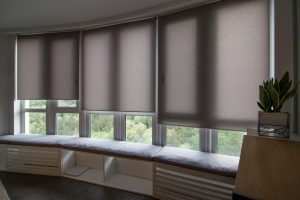

How to Choose the Right Motor for Your Project
If you are unsure how much torque for roller shades is right, follow these steps:
- Measure the blind width and height
- Confirm the fabric type and approximate weight
- Check the roller tube size
- Estimate how often the blind will be used
- Choose a motor with a safety margin for stable operation
For professional projects, it is always better to confirm motor selection with the supplier based on the complete blind specifications.
Learn more about tubular motors
Conclusion
Choosing the correct roller blinds motor torque is essential for smooth performance, longer motor life, and reliable daily operation. For small roller shades, 1.1Nm is often enough. For medium blinds, 3–6Nm is a common choice. For larger or heavier systems, 10Nm or above is usually recommended.
If you are asking how much torque for roller shades, the best answer is: choose the torque based on blind size, fabric weight, tube diameter, and usage frequency. A properly matched motor will always perform better than a motor selected only by guesswork.
Learn more about roller shade motor
FAQ
What torque motor do I need for roller blinds?
The right torque depends on blind size, fabric weight, and tube diameter. Small blinds may use 1.1Nm, medium blinds 3–6Nm, and large blinds 10Nm or more.
How much torque for roller shades?
Most roller shades need between 1.1Nm and 10Nm+, depending on the application. Small residential shades need less torque, while large blackout blinds need more.
Can I use a higher torque motor for a small blind?
Yes, but it may increase cost and use a larger motor than necessary. It is better to choose the correct torque for the application.
Why is roller blinds motor torque important?
Correct torque ensures smooth lifting, accurate stopping, lower motor stress, and longer service life.
👉 Explore our motor products range:
👉 https://www.hualite.cn/products/tubular-motors/