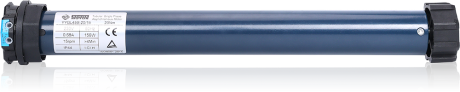

Electronic limit vs Mechanical Limit Tubular Motors for Roller Shutters
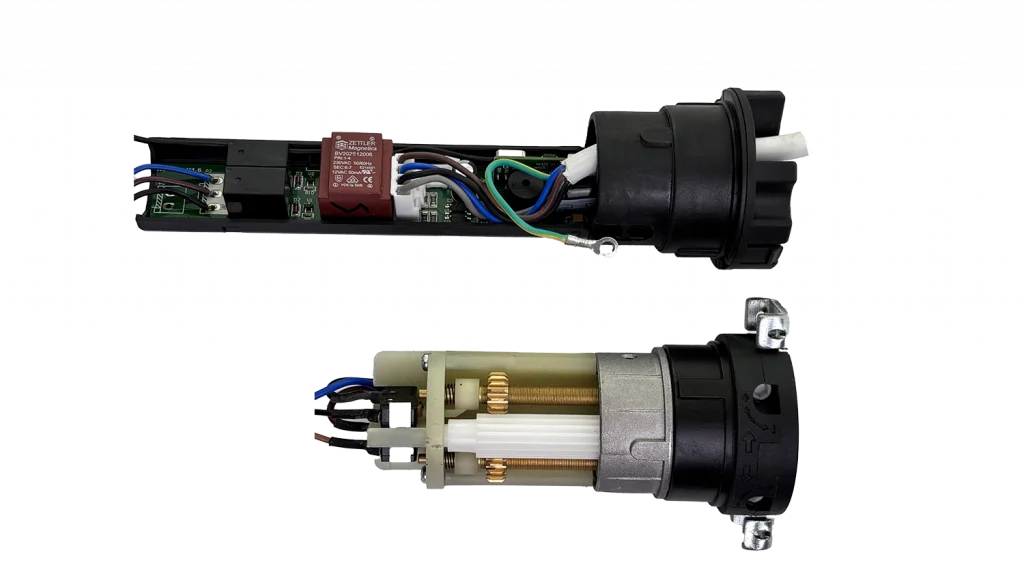
When selecting a tubular motor for roller shutters, one of the most critical technical decisions is the choice between electronic limit and mechanical limit control systems. Although both solutions are widely used in roller shutter automation, they differ significantly in precision, safety, installation efficiency, and long-term reliability.
This guide provides a clear, engineering-focused comparison to help professionals choose the most suitable limit switch technology for residential, commercial, or industrial roller shutter projects.
Understanding Tubular Motor Limit Switch Systems
A limit switch defines the upper and lower stopping positions of a tubular motor. Accurate limit control ensures smooth operation, protects the shutter curtain, and prevents motor overload.
In general, tubular motors are equipped with either:
- A mechanical limit switch, adjusted manually using physical screws or pins
- An electronic limit switch, configured digitally via remote control or control unit
Each system has its own strengths depending on project requirements.
What Is a Mechanical Limit Switch Tubular Motor?
A mechanical limit switch tubular motor uses mechanical components to set travel limits. Installers manually adjust the up and down positions by turning adjustment screws on the motor head.
Key Characteristics
- Manual, physical limit adjustment
- Stable structure with minimal electronic components
- Widely used in traditional roller shutter systems
Advantages
- Simple construction and proven reliability
- Lower initial cost
- Suitable for standard installations with fixed dimensions
Limitations
- Time-consuming limit setting during installation
- Lower repeat positioning accuracy
- No obstacle detection or intelligent protection
- Limits may drift over long-term heavy use
Mechanical limit motors remain popular in basic projects, but their functionality is limited when higher safety or automation is required.
What Is an Electronic Limit Switch Tubular Motor?
An electronic limit switch tubular motor uses digital control to store and manage travel positions. Limits are set via remote control or programming tools, eliminating manual adjustments.
Key Characteristics
- Digital limit setting with memory storage
- High repeat positioning accuracy
- Integrated intelligent protection functions
Advantages
- Fast and simple commissioning
- Consistent stopping positions over long-term use
- Supports obstacle detection and rebound protection
- Enables overload protection in extreme conditions
For example, in winter or rainy climates, roller shutters may freeze due to ice accumulation. Electronic limit motors can detect abnormal resistance and stop or reverse operation, preventing curtain damage or motor burnout.
Electronic limit vs Mechanical Limit tubular motor: Technical Comparison
| Feature | Mechanical Limit Switch | Electronic Limit Switch |
|---|---|---|
| Limit setting | Manual screw adjustment | Remote or digital programming |
| Installation efficiency | Moderate | High |
| Positioning accuracy | Medium | Very high |
| Repeatability | Limited | Excellent |
| Obstacle detection | Not supported | Supported |
| Overload protection | No | Yes |
| Suitable for harsh climates | Limited | Highly suitable |
| Smart control compatibility | Low | High |
This tubular motor limit switch comparison clearly shows why electronic solutions are increasingly preferred in modern roller shutter systems.
Application Scenarios
Residential Roller Shutters
Electronic limit tubular motors provide quiet operation, precise positioning, and enhanced safety for daily home use.
Commercial Buildings
Shopping centers, offices, and hotels benefit from faster installation, reduced maintenance, and intelligent protection.
Industrial & Harsh Environments
In regions with frequent rain, snow, or temperature fluctuations, electronic limit motors help protect shutters from ice-related overload and mechanical stress.
Why Electronic Limit Technology Is Gaining Popularity
As automation standards increase, many integrators are moving toward electronic limit tubular motors for roller shutters due to their reliability and safety advantages. Reduced installation time, fewer after-sales adjustments, and advanced protection features significantly lower total ownership cost.
Mechanical limit motors still have a place in cost-sensitive or simple projects, but electronic limit technology is becoming the preferred choice for long-term, professional installations.
Frequently Asked Questions (FAQ)
What is the main difference between electronic and mechanical limit switches?
Electronic limit switches store travel positions digitally and offer higher accuracy, while mechanical switches rely on manual physical adjustment.
Can electronic limit motors detect obstacles?
Yes. Electronic limit motors can stop or reverse when abnormal resistance is detected, protecting both the shutter and the motor.
Are electronic limit motors harder to install?
No. In fact, they are usually faster to commission because limits are set via remote control rather than manual screws.
Which system is better for cold or rainy climates?
Electronic limit motors are better suited, as they support overload and obstruction protection when shutters freeze or encounter resistance.
Do electronic limit motors support smart control?
Yes. They are generally more compatible with remote control systems and smart home integration than mechanical limit motors.
Final Recommendation
Choosing between electronic and mechanical limit tubular motors depends on project complexity, safety requirements, and long-term expectations. For modern roller shutter installations where precision, protection, and efficiency matter, electronic limit technology offers clear advantages.
This comparison page can serve as a technical reference and selection guide, helping professionals make informed decisions while improving system reliability and user satisfaction.