

✅ Rotor and Stator Intro
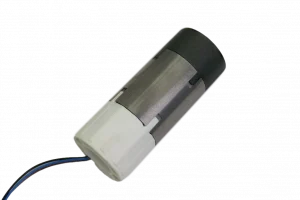
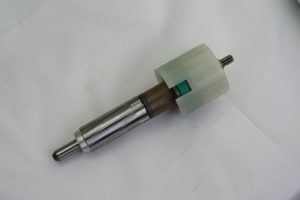
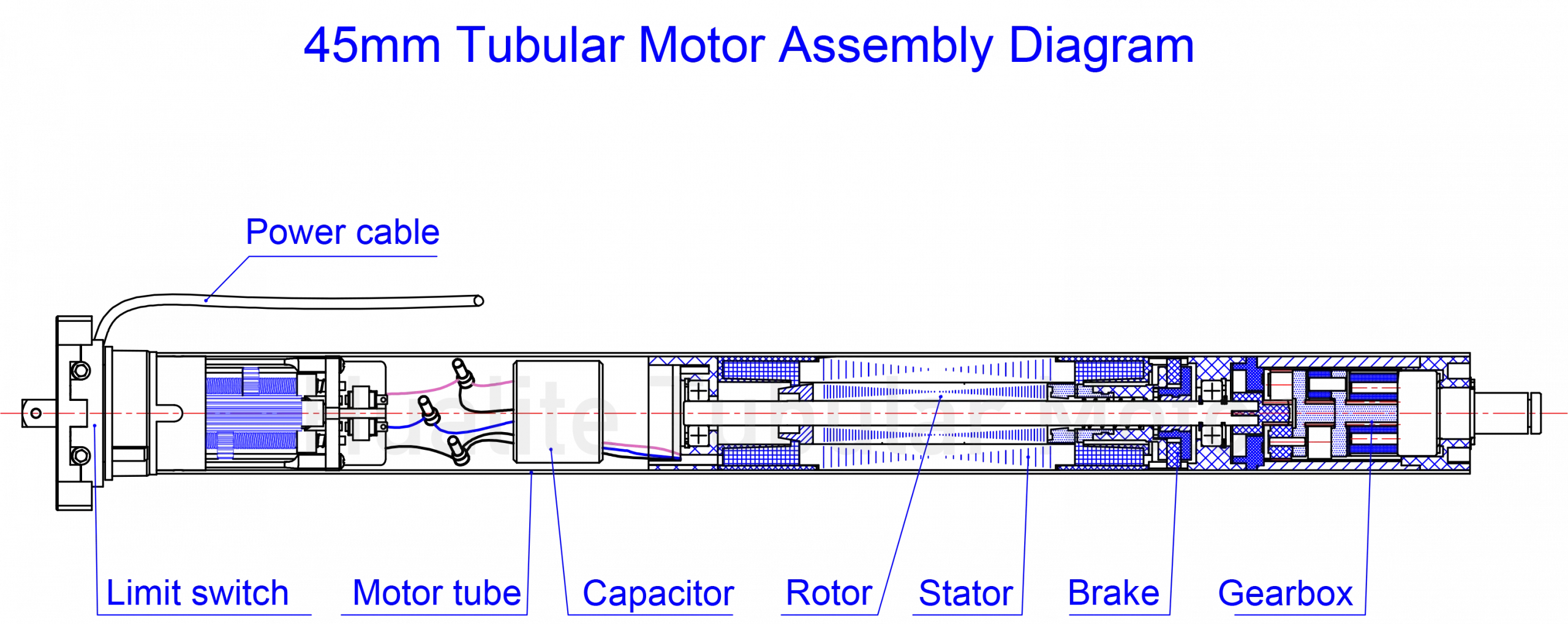
The rotor and stator are the two most critical components inside a tubular motor. Together, they form the electromagnetic system that drives motion, generates torque, and determines the overall performance of the motor.
In modern applications such as roller blinds, roller shutters, awnings, and smart shading systems, the design and quality of the rotor and stator directly affect efficiency, noise level, and service life.
✅ What is a Stator in a Tubular Motor
The stator is the stationary part of a tubular motor. It is typically made of laminated steel cores combined with high-quality copper windings.
When electrical power is applied, the stator generates a rotating magnetic field. This magnetic field is essential because it provides the force that drives the rotor.
Key Features of the Stator:
- Fixed structure (does not move)
- Copper winding generates magnetic field
- Determines efficiency and heat performance
- Influences energy consumption
A well-designed stator ensures stable operation, lower energy loss, and consistent performance.
✅ What is a Rotor in a Tubular Motor
The rotor is the rotating component located inside the stator. It reacts to the magnetic field generated by the stator and converts electrical energy into mechanical motion.
As the rotor spins, it drives the shaft and transfers torque through the gearbox to move the roller tube.
Key Features of the Rotor:
- Rotating part of the motor
- Connected to output shaft
- Responsible for torque generation
- Requires precise balancing
A high-quality rotor ensures smooth rotation, low vibration, and reliable long-term operation.
✅ How Rotor and Stator Work Together
The interaction between the rotor and stator is the core working principle of a tubular motor.
Step-by-step process:
- Electrical power energizes the stator windings
- The stator generates a magnetic field
- The rotor responds to the magnetic field and begins to rotate
- The rotation creates torque and drives the roller tube
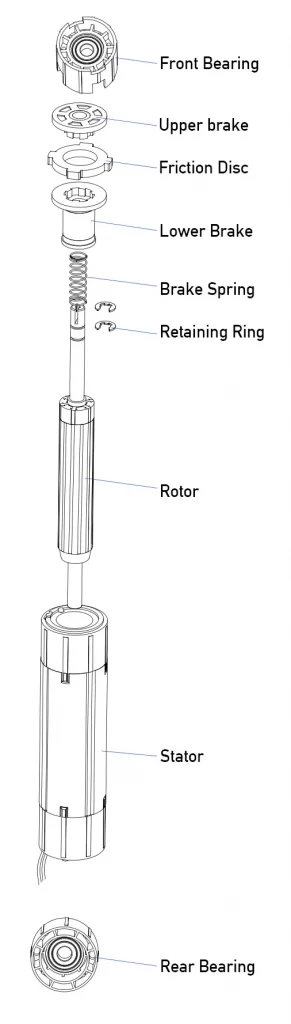
This electromagnetic interaction allows tubular motors to operate efficiently and quietly in various applications.
✅ Rotor vs Stator Comparison
| Feature | Stator | Rotor |
|---|---|---|
| Position | Fixed | Rotating |
| Function | Generate magnetic field | Produce motion and torque |
| Movement | Static | Dynamic |
| Main Material | Steel + copper winding | Core + shaft |
| Impact | Efficiency, heat control | Torque, smooth rotation |
Both components must be precisely engineered to achieve optimal motor performance.
✅ Why Rotor and Stator Quality Matters
The performance of a tubular motor is directly influenced by the quality of its rotor and stator.
🔹 High Torque Output
Efficient electromagnetic design ensures stable and powerful torque for driving roller blinds and shutters.
🔹 Low Noise Operation
Precision manufacturing and balanced rotor design reduce vibration and noise, making the motor quieter.
🔹 Energy Efficiency
High-quality copper windings minimize energy loss and improve overall efficiency.
🔹 Longer Service Life
Reliable materials and proper thermal management prevent overheating and extend motor lifespan.
✅ Rotor and Stator in Tubular Motor Applications
Rotor and stator technology is widely used in different tubular motor applications:
Roller Blinds
Provides smooth and quiet operation for daily indoor use.
Roller Shutters
Delivers strong torque for heavy-duty applications.
Awnings and Screens
Ensures stable and reliable performance in outdoor environments.
The design of rotor and stator plays a crucial role in adapting the motor to different load requirements.
To know the details of tubular motor
✅ Why Rotor and Stator Design Matters in Walter Tubular Motors
At Walter, the rotor and stator are carefully designed to deliver high performance and long-term reliability.
We focus on:
- High copper content for better conductivity
- Precision winding technology
- Stable and consistent manufacturing quality
- Optimized motor structure for low noise
These factors ensure that our tubular motors perform efficiently in real-world applications such as smart blinds, roller shutters, and shading systems.
✅ FAQ
What does the stator do in a tubular motor?
The stator generates the magnetic field that drives the rotor and enables motor operation.
What does the rotor do in a tubular motor?
The rotor rotates inside the stator and converts electrical energy into mechanical motion.
Why are rotor and stator important?
They determine torque, efficiency, noise level, and the overall lifespan of the motor.
Can rotor and stator affect motor noise?
Yes. Poor design can cause vibration and noise, while precision design ensures quiet operation.
Are rotor and stator used in all tubular motors?
Yes. They are essential components in both AC and DC tubular motor systems.