


How limit switch works in a Tubular Motor and Why It Matters
In motorized shading systems such as roller blinds, roller shutters, and awnings, precise motion control is essential. One of the most important components responsible for this control is the limit switch. In a tubular motor, it defines the motor’s up/down stopping positions and ensures smooth, safe, and reliable operation.
This article explains what a it is and how it works in a tubular motor, why it is a key factor in motor performance and service life.
What Is a Limit Switch?
A limit switch is a device that controls the upper and lower end positions of a tubular motor. It determines when the motor should stop running after the roller blind or roller shutter reaches its fully open or fully closed position.
Without a properly functioning limit switch, a tubular motor may continue rotating beyond its physical limits. This can lead to fabric damage, mechanical failure, or even permanent motor damage. For this reason, it is a critical safety and control element in any tubular motor system.
How a Limit Switch Works
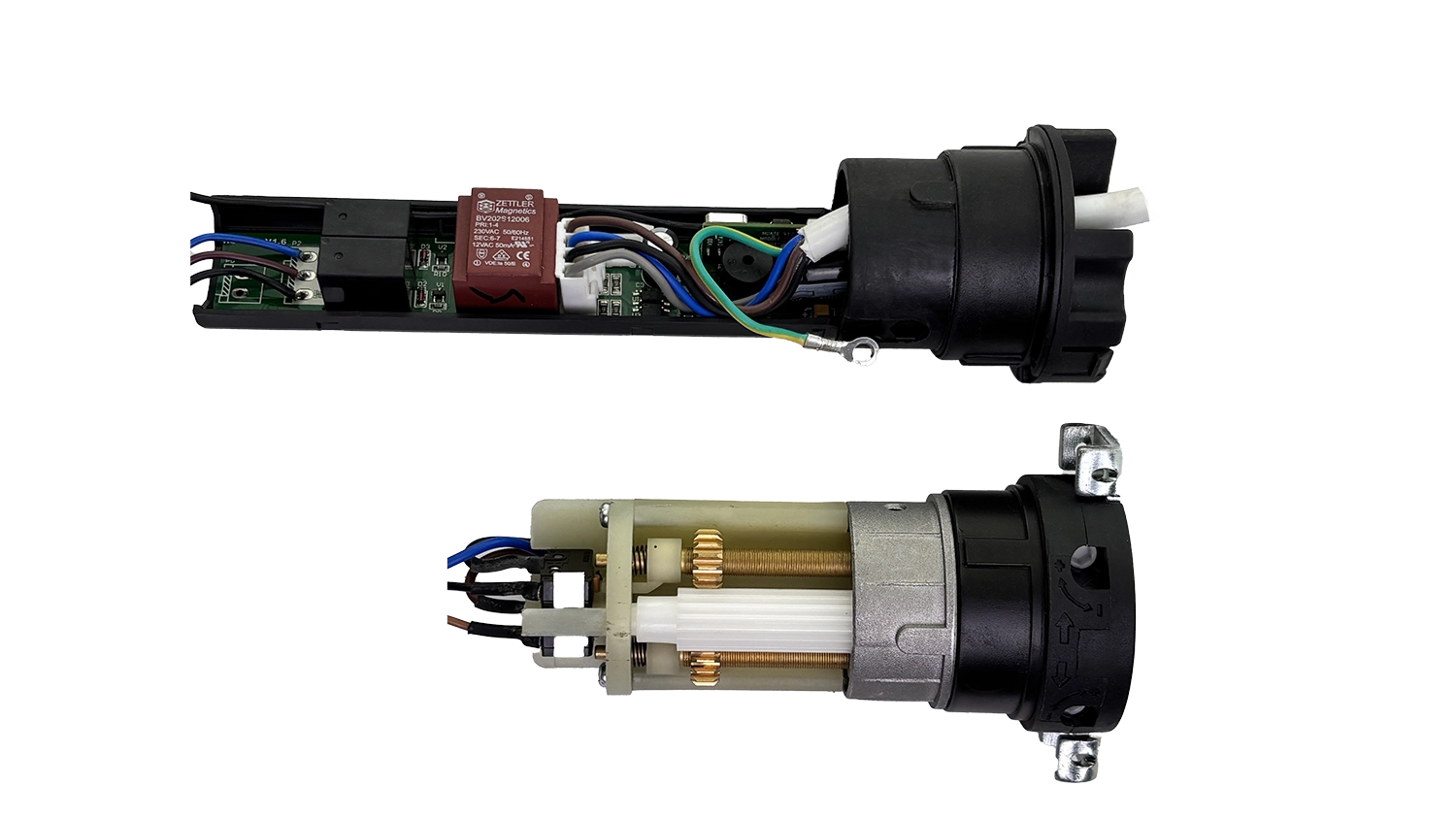
Inside a tubular motor, the limit switch is connected to the motor’s rotation mechanism. As the motor turns, the internal limit system tracks the movement of the output shaft.
When the preset limit position is reached:
- The electrical circuit is interrupted
- Power to the motor is cut off
- The motor stops automatically
This process ensures that the roller blind or roller shutter stops exactly at the desired position every time, providing consistent and repeatable operation.
Types of Limit Switches
Different applications require different limit switch technologies. The most common types used in tubular motors include the following:
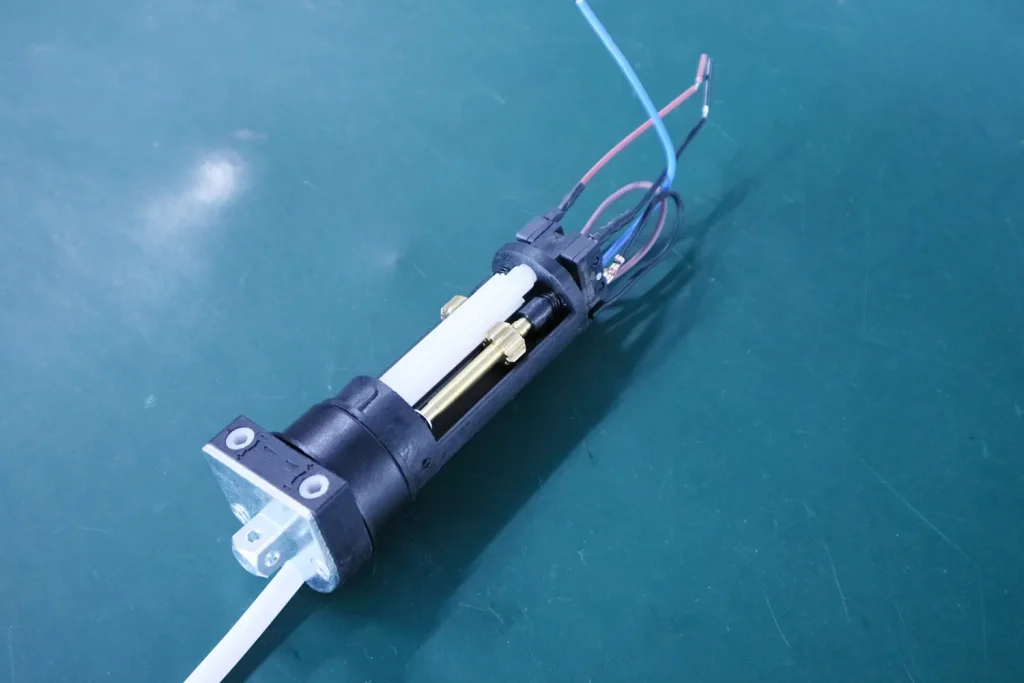
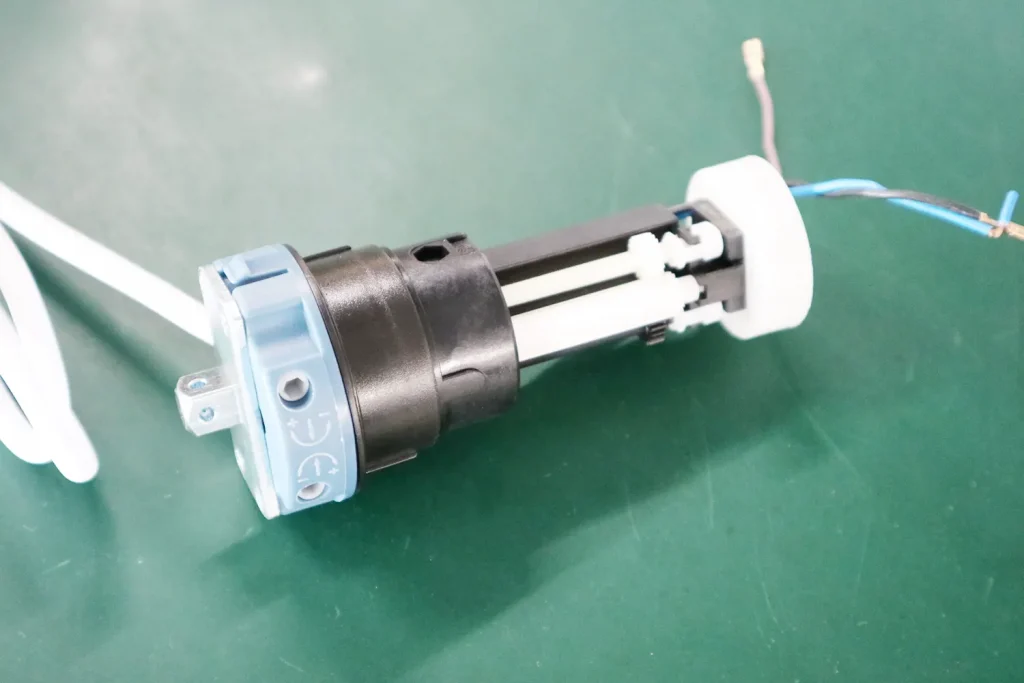
Mechanical Limit Switch
A mechanical limit switch is widely used due to its simple structure and proven reliability.
Key characteristics:
- Manual adjustment using setting screws
- Stable performance in long-term use
- Cost-effective solution for standard applications
Mechanical limit switches are commonly found in basic roller blind and roller shutter motors.
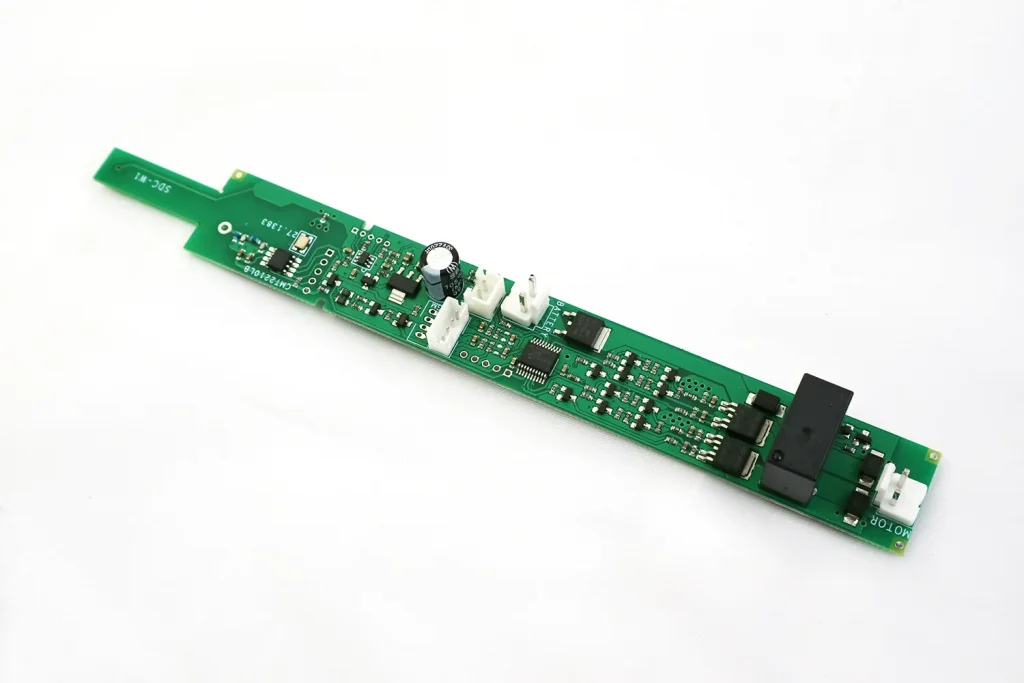
Electronic Limit Switch
An electronic limit switch uses a control board instead of mechanical gears to define motor limits.
Advantages include:
- Higher positioning accuracy
- Smoother stopping performance
- Reduced mechanical wear
This type of limit switch is often used in higher-end tubular motors or systems requiring precise control.
Automatic (Self-Learning) Limit Switch
Automatic limit switches can detect and memorize the upper and lower limits during initial operation.
Benefits:
- No manual adjustment required
- Faster installation
- Reduced setup errors
Automatic limit setting technology is especially popular in smart home and large-scale project installations.
Why the Limit Switch Is Critical
A well-designed limit switch directly impacts the overall quality of a tubular motor. Its main functions include:
- Protecting the motor from overload and overheating
- Preventing mechanical damage to roller blinds or shutters
- Ensuring precise stopping positions
- Extending the motor’s service life
Poor-quality or incorrectly adjusted limit switches are one of the most common causes of motor failure in the field.
Limit Switch Adjustment and Installation
Limit switch adjustment depends on the motor type and control method. Common adjustment methods include:
- Mechanical adjustment screws
- Push-button programming
- Remote control or wall switch setup
Installers should always follow the manufacturer’s instructions when setting the limit switch. Proper adjustment ensures reliable operation and avoids unnecessary stress on the tubular motor.
To know about Roller Shutter Limit Setting
Limit Switch vs. Encoder in Tubular Motors
In advanced motor systems, an encoder may be used instead of a traditional limit switch. While an encoder provides continuous position feedback, a limit switch defines fixed end positions.
Despite newer technologies, the limit switch remains widely used in tubular motors due to its:
- Simple design
- High reliability
- Cost efficiency
In many applications, limit switches and encoders are used together to achieve optimal control and safety.
The limit switch is a fundamental component in a tubular motor, responsible for safe operation, accurate positioning, and long-term reliability. Whether mechanical, electronic, or automatic, selecting the right limit switch technology is essential for achieving consistent performance in motorized shading systems.
For manufacturers, installers, and end users, understanding how a limit switch in a tubular motor works helps ensure better product selection, smoother installation, and longer system life.