

Quiet Operation Tubular Motors for Residential Blinds: The Silent Revolution in Home Automation
Quiet Operation Tubular Motors for Residential Blinds: The Ultimate 2026 Guide to Silent Automation
In the modern era of interior design and smart home technology, the focus has shifted from mere functionality to the quality of the living environment. As we navigate through 2026, one of the most significant trends in home automation is the pursuit of “acoustic comfort.” Central to this movement is the quiet operation tubular motor. No longer is it enough for window treatments to simply move at the touch of a button; they must do so with a level of silence that respects the tranquility of the home. This comprehensive guide explores why these motors have become the gold standard for residential blinds and how they are redefining the smart home experience.
The Quiet Revolution in Window Shading
For years, motorized blinds were a luxury accompanied by a trade-off: mechanical noise. The “whirring” of gears and the “hum” of electricity often disrupted the very peace that automated shading was meant to provide. However, engineering breakthroughs have led to the perfection of the quiet operation tubular motor. These motors are designed to integrate seamlessly into the headrail of roller blinds, Roman shades, and cellular shades, providing powerful lifting capabilities without the auditory footprint.
The demand for quieter motors in window treatments is driven by the realization that sound affects our psychological well-being. In a world filled with notifications and urban noise, the home should be a sanctuary. When you install such a motor, you are investing in a system that performs its duties in the background, invisible and inaudible.
Technical Foundations of Silence
What makes a motor truly quiet? It isn’t just one single feature but a combination of advanced mechanical and electrical engineering:
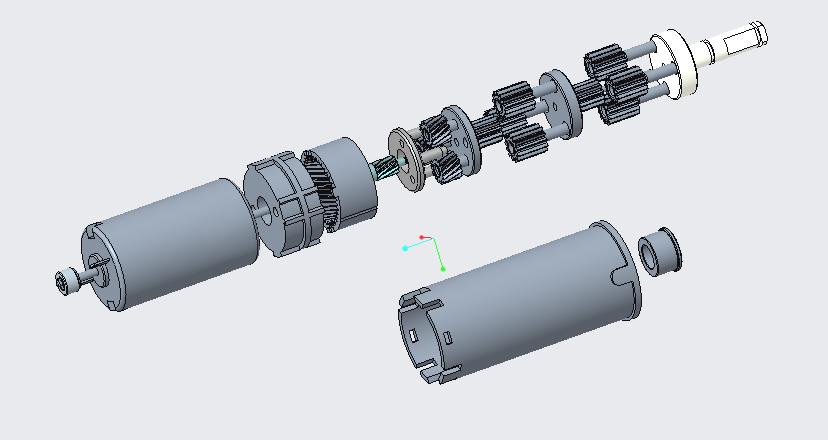
- Brushless DC Technology: Unlike traditional motors that use carbon brushes (which create friction and noise), modern motors often utilize brushless DC (BLDC) technology. This reduces internal friction significantly.
- Helical Gear Systems: The internal gearboxes of these motors are precision-machined. Helical gears provide smoother tooth engagement compared to spur gears, resulting in a whisper-quiet transmission of power.
- Vibration Dampening: High-quality motors are encased in specialized acoustic sleeves or mounted with rubberized grommets that absorb micro-vibrations before they can resonate through the window frame.
- Soft Start and Soft Stop: A hallmark of these motors is their ability to accelerate and decelerate gradually. This prevents the jarring “clunk” sound often heard when a blind starts moving or reaches its limit.
Enhancing Sleep Hygiene and Wellness
One of the primary use cases for these motors is in the bedroom. Sleep experts have long advocated for maintaining a consistent circadian rhythm by waking up to natural light. With a quiet operation tubular motor, homeowners can program their blinds to rise slowly at sunrise.
Because of its silent operation, the system won’t startle you out of a deep sleep. Instead, the blinds glide open silently, allowing the sun to wake you naturally. For nurseries, the benefit is even more pronounced. Parents can adjust the shading in a baby’s room via a smartphone app, confident that the motor will not wake a sleeping infant.
Integration with Smart Home Ecosystems in 2026
By 2026, these motors are no longer standalone devices. They are vital nodes in the Internet of Things (IoT). Current industry standards, such as Matter and Thread, ensure that they communicate effortlessly with Apple Home, Google Home, and Amazon Alexa.
This connectivity allows for “Silent Scenes.” For example, a “Movie Night” command can dim the lights and lower the blinds simultaneously. Because each blind is powered by a quiet operation tubular motor, the room transitions into a cinema-like atmosphere without a chorus of mechanical noise. The focus remains on the entertainment, not the equipment.
Sustainability and Solar Power
Sustainability is a core pillar of 2026 residential design. Many models are now paired with ultra-slim solar panels that sit discreetly behind the blind. This makes the system carbon-neutral in its daily operation.
Furthermore, modern motors are more energy-efficient. By using advanced sensors to detect solar heat gain, these motors can automatically lower the blinds during the hottest part of the day, reducing the load on the home’s HVAC system. This automated efficiency is only palatable to homeowners if the system operates quietly, without disrupting their daily activities every time it adjusts.
Precision and Durability: The Mark of Quality
A common misconception is that “quiet” means “weak.” In reality, a quiet operation tubular motor is often more durable than its noisier counterparts. The precision required to make a motor silent—tighter tolerances, better lubrication, and superior materials—inherently leads to a longer lifespan.
When you choose a quiet motor, you are choosing a product designed for thousands of cycles. In 2026, the leading manufacturers provide warranties that reflect this mechanical confidence. Homeowners can expect their motors to perform reliably for a decade or more with zero maintenance.
Installation and Retrofitting
In the past, motorization required invasive electrical work. Today’s quiet motor options include high-capacity lithium-ion battery versions. This allows for a “wire-free” installation. A professional can install a quiet operation tubular motor into an existing blind in minutes, effectively retrofitting an old window treatment into a state-of-the-art smart device.
The battery life of these motors is remarkable, often requiring only one charge per year. This convenience, combined with the silent performance, makes it an easy choice for home renovations.
Selecting the Right Motor for Your Needs
When shopping for a quiet operation tubular motor, there are several factors to consider:
- Torque Requirements: Ensure the motor has the strength to lift the specific fabric weight of your blinds.
- Noise Rating: Look for a motor with a decibel (dB) rating below 38dB.
- Control Options: Does the motor support voice control, remote control, and app-based scheduling?
- Speed Adjustment: Some premium models allow you to slow down the motor speed to achieve even greater levels of silence.
The Future of Residential Shading
As we look toward the future, these motors will continue to evolve. We are already seeing the introduction of AI-driven motors that “learn” the acoustic profile of a room and adjust their torque to minimize resonance. The quiet motor is becoming “smarter” and “stealthier.”
In high-end real estate, the presence of a quiet operation tubular motor in every window is becoming a standard expectation rather than an upgrade. It represents the ultimate intersection of luxury, privacy, and peace.
Conclusion
The quiet operation tubular motor has transformed the residential blind industry. It has solved the primary complaint of motorized window treatments—noise—while adding layers of intelligence and efficiency. By choosing such a motor, you are not just automating your home; you are elevating your lifestyle.
Whether you are building a new smart home or upgrading your current residence, the quiet operation tubular motorprovides the perfect balance of performance and tranquility. In 2026, the silent home is the comfortable home, and the quiet operation tubular motor is the heartbeat of that silence. Investing in one ensures that your home remains a place of rest, beauty, and modern convenience.
With the wide availability of quiet operation tubular motors across various price points, there has never been a better time to silence the noise and embrace the future of shading. Experience the difference that a quiet motor can make in your daily life—where the only thing you notice is the perfect lighting.