

Comprehensive Guide to Tubular Motors Selection Principles
In the rapidly evolving world of home automation and smart shading systems, tubular motors play a pivotal role in powering roller shutters, blinds, awnings, garage doors, and projection screens. These compact, cylindrical motors are designed to fit neatly inside roller tubes, providing efficient and discreet operation. Choosing the correct tubular motor is critical to ensuring long-term reliability, smooth performance, and energy efficiency. This in-depth guide explores the essential tubular motors selection principles, helping buyers—whether homeowners, installers, or wholesalers—make informed decisions based on technical requirements, practical considerations, and current industry trends.
Understanding Tubular Motors: Core Components and Types
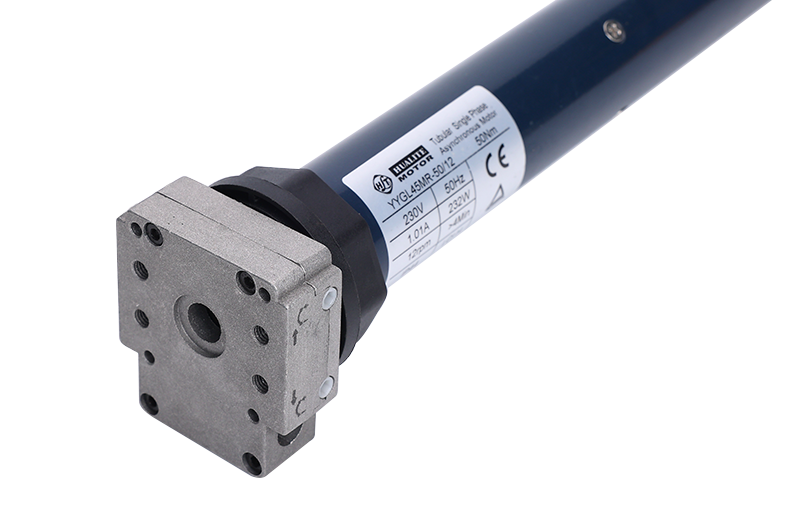
A tubular motor consists of an electric motor, reduction gearbox, limit switch system, braking mechanism, and housing—all enclosed in a tubular shape. When powered, it generates rotational torque to wind or unwind the roller tube, raising or lowering the attached curtain, shutter, or blind.
Tubular motors are broadly classified into two categories:
- AC Tubular Motors: Operate on standard mains voltage (220–240V). They deliver higher torque and are preferred for heavy-duty applications such as large commercial roller shutters or industrial doors.
- DC Tubular Motors: Run on low voltage (12–24V), often powered by rechargeable batteries or solar panels. They excel in quiet operation and seamless integration with smart home ecosystems.
Additional functional variants include:
- Motors with manual override for emergency hand-crank operation during power failures.
- Models equipped with mechanical limit switches (cost-effective and durable) versus electronic/encoder-based limit switches (precise positioning and obstacle detection).
- Radio-controlled or Wi-Fi-enabled versions for remote and app-based control.
As of 2025, the market increasingly favors smart tubular motors compatible with voice assistants and IoT platforms, reflecting growing demand for connected home solutions.
Principle 1: Power and Torque Calculation – The Foundation of Correct Selection
The most critical tubular motors selection principle is matching torque (measured in Newton-meters, Nm) to the load requirements. Insufficient torque leads to motor strain, overheating, premature failure, or incomplete opening/closing. Excessive torque increases unnecessary noise, energy consumption, and cost.
Step-by-Step Torque Calculation Method:
- Calculate the total weight of the system: include slats or fabric, bottom bar, roller tube, and accessories.
- Determine the roller tube radius (half the diameter).
- Apply the basic formula: Required Torque (Nm) ≈ (Total Weight in kg × Tube Radius in meters × 9.81 m/s²) ÷ Motor Efficiency (typically 0.8–0.9).
- Add a safety margin of 20–30% to account for friction, wind load, aging, and environmental factors.
Practical Examples:
- Small indoor roller blinds (weight ≈ 15–25 kg, tube diameter 40–50 mm): 10–30 Nm sufficient (35–45 mm motor diameter).
- Medium residential roller shutters (weight ≈ 40–70 kg): 50–100 Nm recommended.
- Large commercial or industrial doors (weight > 100 kg): 120–200 Nm or higher (59–92 mm motor diameter).
Power consumption correlates with torque and rotational speed (RPM). Lower RPM generally provides higher torque but slower operation. Always verify the motor’s rated lifting capacity against manufacturer specifications.
Principle 2: Noise Level and Operational Comfort
Noise is a decisive factor, especially in residential and office environments. High-torque AC motors often generate more mechanical noise from gear reduction systems.
Key Tubular Motors Selection Principles for Noise Control:
- DC motors are inherently quieter due to lower operating voltage and smoother electronics.
- Look for models with advanced planetary gears, vibration-damping materials, or certified low-noise ratings (<45 dB).
- Higher torque typically correlates with increased noise, but speed reduction can mitigate this—though it may slightly reduce effective lifting capacity.
- In 2025, brushless DC designs and acoustic insulation innovations have pushed premium models toward near-silent operation.
For bedrooms, hotels, or quiet workspaces, prioritize low-noise certified motors. Industrial settings tolerate higher noise levels in exchange for robust performance.
Principle 3: Tube Diameter and Mechanical Compatibility
Motor diameter must precisely match the roller tube internal diameter:
- 35 mm and 45 mm motors → suitable for smaller tubes in indoor blinds and light shutters.
- 59 mm and larger → required for heavy outdoor roller shutters and awnings.
Additionally, verify:
- Overall motor length fits within the available roller space.
- Crown and drive adapters are compatible with round, octagonal, or grooved tubes.
- Bracket and support systems align with the chosen model.
Incompatibility leads to installation difficulties, misalignment, and reduced lifespan.
Principle 4: Limit Switch Technology and Control Options
Limit switches define upper and lower stopping positions, preventing over-travel damage.
- Mechanical limits: Simple, reliable, and economical; adjustment via screws.
- Electronic/encoder limits: Offer micron-level precision, automatic calibration, obstacle detection (auto-reverse on contact), and integration with smart sensors.
Advanced control features to consider:
- Built-in radio receivers for remote operation.
- Parallel wiring capability for group control.
- Integration with wind, sun, or temperature sensors (ideal for awnings).
- Smartphone app and voice control compatibility.
Selecting electronic limits enhances safety and convenience, particularly in smart home installations.

Principle 5: Durability, Safety Features, and Environmental Protection
Reliable tubular motors incorporate:
- Thermal overload protection to prevent burnout.
- IP44 or higher ingress protection for outdoor use.
- Robust aluminum or reinforced polymer housing.
- Soft-start/soft-stop functions to reduce mechanical stress.
Safety-focused options include:
- Anti-lift locking mechanisms.
- Fire-rated models compliant with local building codes.
- Obstacle detection with immediate reversal.
Energy efficiency is increasingly important: solar-compatible DC motors and low-standby-power designs contribute to sustainability goals.
Principle 6: Product Demonstration and Hands-On Evaluation
Before final purchase, insist on live demonstrations. Reputable dealers maintain showrooms where motors operate under real load conditions. Observe:
- Smoothness of movement.
- Actual noise levels.
- Speed consistency.
- Limit switch accuracy.
- Ease of programming (for smart models).
Hands-on testing reveals performance nuances that specifications alone cannot convey.
Principle 7: After-Sales Service, Warranty, and Long-Term Support
A strong warranty (typically 5–7 years for premium brands) and accessible technical support are non-negotiable tubular motors selection principles. Consider:
- Availability of spare parts (limit switches, remotes, adapters).
- Dealer or manufacturer response time for repairs.
- Clear documentation and programming guides.
- Local service network for professional assistance.
Choosing established manufacturers with proven track records minimizes downtime and future costs.
Emerging Trends Influencing Selection in 2025
The tubular motor market continues to evolve toward greater intelligence and sustainability:
- Increased adoption of battery-powered and solar-integrated systems.
- Seamless connectivity with major smart home platforms.
- Enhanced cybersecurity in Wi-Fi models.
- Focus on recyclable materials and energy-efficient operation.
These trends reinforce the importance of forward-compatible selection—choosing motors that support future upgrades rather than becoming obsolete quickly.
Conclusion: Applying Tubular Motors Selection Principles for Optimal Results
Mastering tubular motors selection principles ensures you invest in a solution that delivers reliable performance, safety, and convenience over many years. Begin with accurate torque and power calculations, prioritize noise and compatibility, evaluate control and safety features, and never underestimate the value of demonstration and strong after-sales support.
By systematically applying these principles, homeowners achieve enhanced comfort and security, installers build satisfied client relationships, and wholesalers stock products that meet genuine market demand. Whether for a single residential blind or a large commercial project, the right tubular motor—chosen wisely—becomes a silent, dependable partner in modern automated living.