

In the rapidly evolving landscape of smart home technology, the high efficiency DC tubular motor for smart homes 2026 stands out as a pivotal innovation. As we step into 2026, homeowners and developers alike are increasingly seeking solutions that combine energy savings, seamless automation, and reliability. The high efficiency DC tubular motor for smart homes 2026 represents the culmination of years of research and development in motor technology, tailored specifically to meet the demands of modern connected living spaces. This article delves deep into the intricacies of these motors, exploring their design, applications, benefits, and future prospects, while highlighting how they are transforming smart homes worldwide.
Introduction to DC Tubular Motors
Tubular motors, named for their cylindrical shape that allows them to fit neatly inside tubes or shafts, have been a staple in automation systems for decades. Traditionally used in roller shutters, blinds, and awnings, these motors have evolved significantly with the advent of DC (direct current) variants. Unlike their AC (alternating current) counterparts, DC tubular motors offer superior control, lower energy consumption, and quieter operation—key attributes for smart home integration.
The high efficiency DC tubular motor for smart homes 2026 builds on this foundation by incorporating advanced materials, brushless designs, and intelligent controls. According to industry reports, the global market for tubular motors is projected to reach approximately $4 billion by 2033, with a compound annual growth rate (CAGR) of 7%, driven largely by the smart home sector. This growth is fueled by the increasing adoption of IoT (Internet of Things) devices, where motors must not only perform efficiently but also integrate seamlessly with platforms like Alexa, Google Home, and Zigbee.
In 2026, efficiency is no longer a luxury but a necessity. With rising energy costs and environmental concerns, the high efficiency DC tubular motor for smart homes 2026 achieves efficiency ratings as high as 98.5% in some models, minimizing power loss and extending battery life in wireless setups. These motors are particularly suited for smart homes, where automation enhances comfort, security, and sustainability.
Historical Evolution and Technological Advancements
The journey of tubular motors began in the mid-20th century, primarily with AC models used in industrial applications. However, the shift to DC motors in the early 2000s marked a turning point, enabling finer speed control and reduced noise levels. By 2026, the high efficiency DC tubular motor for smart homes 2026 has incorporated breakthroughs like axial-flux designs and iron-based magnets, reducing reliance on rare earth materials which are often sourced from geopolitically sensitive regions.
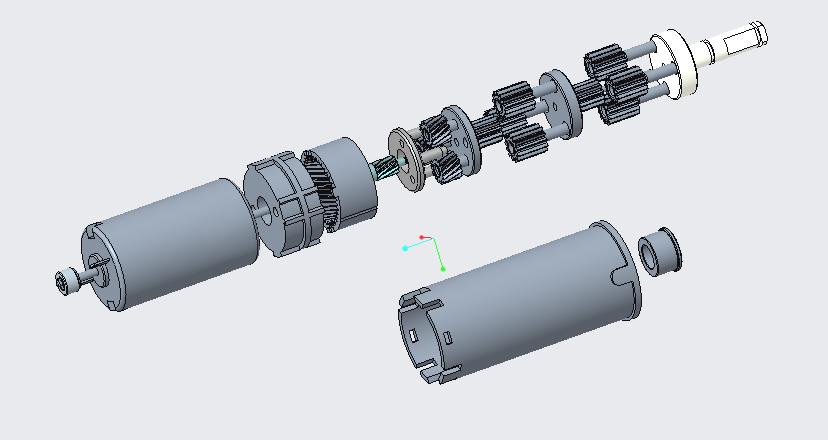
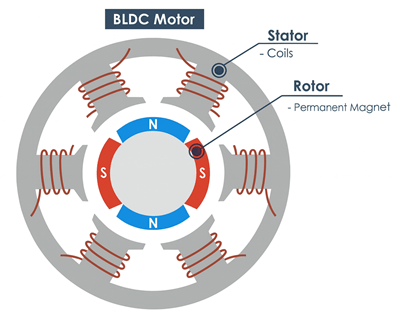
Technologically, these motors feature brushless DC (BLDC) configurations, which eliminate brushes for longer lifespan and higher efficiency. For instance, models from manufacturers like ROHM Semiconductor offer compact designs with high torque output, ideal for space-constrained smart home devices. Power density has seen remarkable improvements, with some motors achieving up to 59 kW/kg, surpassing even NASA projections for advanced electric propulsion.
In terms of materials, the move away from rare earth magnets to ferrite-based alternatives, as pioneered by companies like Conifer Motors, addresses supply chain vulnerabilities. Iron magnets, while historically weaker, are now viable through innovative axial-flux architectures that enhance torque and heat dissipation. This not only lowers costs but also promotes sustainability, aligning with 2026’s global push for eco-friendly tech.
Key Features of High Efficiency DC Tubular Motors
The core appeal of the high efficiency DC tubular motor for smart homes 2026 lies in its features. Efficiency is paramount: these motors convert up to 98% of electrical energy into mechanical work, thanks to optimized windings and low-cogging designs. Noise levels are kept below 35dB, ensuring they operate silently in residential settings.
Voltage options, such as 12V, 24V, and even 48V, allow flexibility for battery-powered or solar-integrated systems. For example, 24V DC motors are praised for their safety and energy efficiency in applications like automated blinds and curtains. High torque outputs—up to 50Nm in some models—enable them to handle heavy-duty tasks like large roller shutters without straining.
Smart integration is another hallmark. These motors support protocols like Wi-Fi, Bluetooth, and Zigbee, allowing control via apps or voice assistants. Sensors for position feedback and obstacle detection enhance safety, preventing damage during operation. Cooling systems, including high-efficiency heat dissipation, ensure longevity, with some motors rated for over 10,000 cycles.
Applications in Smart Homes
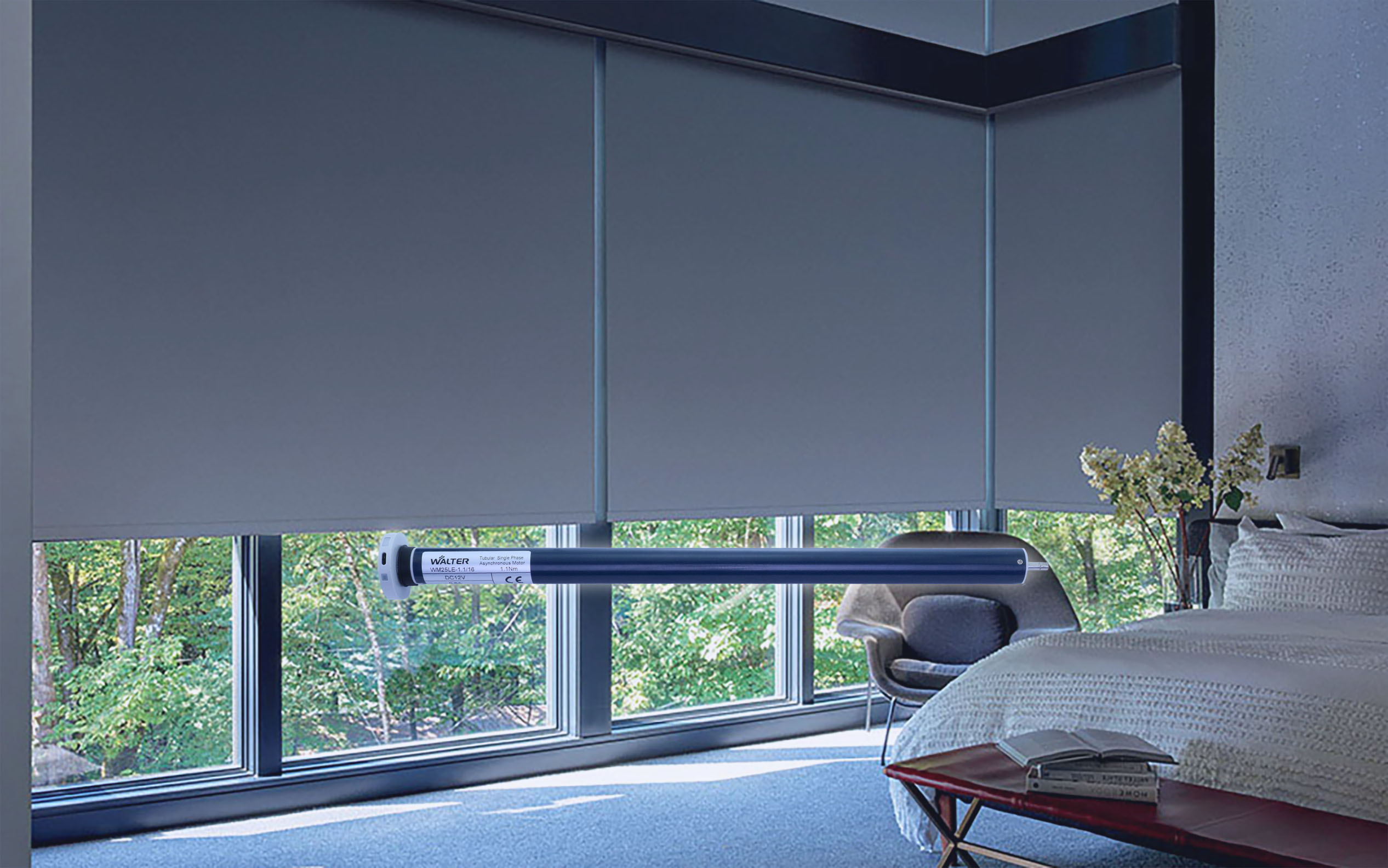
In smart homes of 2026, the high efficiency DC tubular motor for smart homes 2026 powers a myriad of devices. Primary uses include motorized window treatments: roller blinds, shades, and awnings that adjust automatically based on sunlight, time, or weather data. For instance, integration with smart thermostats can optimize natural light to reduce HVAC loads, saving up to 20% on energy bills.
Beyond windows, these motors drive automated furniture, such as adjustable beds and recliners, offering smooth, quiet adjustments. In kitchens and bathrooms, they operate ventilation systems and smart locks with precision. Projection screens and home theaters benefit from their reliable extension and retraction, enhancing entertainment experiences.
Security applications are growing; motors in garage doors and gates provide robust, tamper-resistant operation. For outdoor spaces, awnings and pergolas use these motors to create adaptive shading, integrating with weather APIs for proactive adjustments.
In multi-room setups, centralized control via hubs like Tuya or SmartThings allows synchronization across devices, creating cohesive smart ecosystems. This versatility makes the high efficiency DC tubular motor for smart homes 2026 indispensable for both new builds and retrofits.
Benefits and Energy Efficiency
The advantages of adopting the high efficiency DC tubular motor for smart homes 2026 are multifaceted. Energy efficiency tops the list: by minimizing standby power and optimizing runtime, these motors reduce household electricity consumption significantly. In a typical smart home, this translates to lower utility bills and a smaller carbon footprint.
Durability is another key benefit. With brushless designs and advanced materials, these motors boast extended lifespans, often exceeding 20 years with proper maintenance. Their compact size—diameters as small as 25mm—allows discreet installation, preserving aesthetics.
User convenience is enhanced through remote control and automation. Imagine waking up to gently opening blinds or securing your home with a voice command—these motors make it reality. For elderly or disabled individuals, they promote independence by automating heavy tasks.
Economically, the initial investment is offset by long-term savings. With prices dropping due to mass production in China—home to top factories like Ampu Electric and XMI —these motors are accessible. Certifications like CE and RoHS ensure compliance with global standards, adding peace of mind.
Market Trends and Leading Manufacturers in 2026
The market for tubular motors in 2026 is booming, with Asia-Pacific leading, particularly China, which hosts over 70% of production. Company like Zhejiang Walter Mech Electrical Co., Ltd., is at the forefront, offering customized solutions with ODM/OEM services.
Trends include AI integration for predictive maintenance and enhanced connectivity. Solar-powered variants are gaining traction, aligning with net-zero home initiatives. The push for sustainability has spurred innovations like recyclable components and low-emission manufacturing.
Exports to over 60 countries underscore global demand, with customization options like torque adjustments and branding exclusivity. Minimum order quantities starting at 1000 units make them viable for small businesses.
Challenges and Solutions
Despite their promise, challenges exist. High initial costs can deter adoption, though falling prices mitigate this. Compatibility with existing systems requires adapters, but universal protocols are addressing this.
Installation complexity is another hurdle; however, DIY kits and professional services simplify it. Cybersecurity in IoT-integrated motors is critical—manufacturers are incorporating encryption and regular updates.
Looking ahead, advancements in nanotechnology could further boost efficiency, potentially reaching 99% by 2030.
Future Outlook for 2026 and Beyond
As we navigate 2026, the high efficiency DC tubular motor for smart homes 2026 is poised to redefine home automation. With ongoing R&D, expect smarter, greener motors that anticipate user needs through machine learning.
Integration with emerging tech like 5G and edge computing will enable real-time responses, such as adjusting shades during heatwaves. The focus on modularity will allow easy upgrades, extending product life.
In conclusion, the high efficiency DC tubular motor for smart homes 2026 is more than a component—it’s a gateway to efficient, intelligent living. By embracing these motors, homeowners can achieve unparalleled comfort, savings, and sustainability. As the smart home market expands, these innovations will undoubtedly lead the charge, making 2026 a landmark year for home technology.